
You can have the right number of air movers and still dry slowly if they are placed wrong. Air movers work by sweeping a thin layer of moist air off wet surfaces so dry air can take its place. Good placement turns that into fast, even drying.
The Circular Airflow Principle
In a room, set air movers so they all push air in the same rotational direction around the perimeter. This creates a circular vortex that keeps air moving across every surface rather than colliding and stalling. Air that keeps moving carries moisture to the dehumidifier instead of sitting against a wet wall.
Angle Against the Surface
Point air movers at a low angle, around 15 to 45 degrees, against the wet surface rather than straight on. A low angle peels the saturated boundary layer of air off the surface so evaporation continues. Blowing straight at a wall is less effective than sweeping along it.
Common Placement Situations
- Wet walls: place the air mover near the base, angled up along the wall
- Wet carpet: lay airflow across the surface, not down into it
- Closets and alcoves: give each its own unit, since air will not circulate in on its own
- Under cabinets and behind baseboards: use focused airflow or drying accessories to reach trapped moisture
Pair With Dehumidification
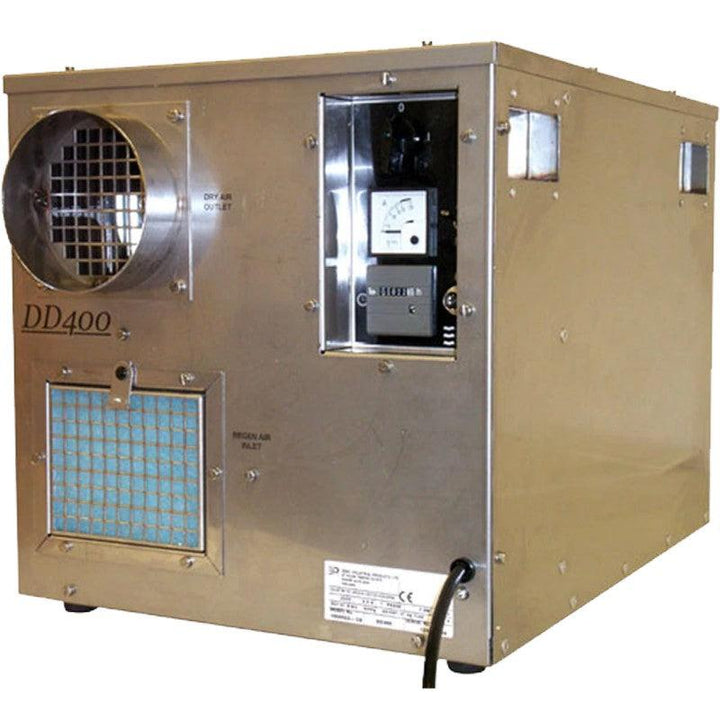
Air movers move moisture into the air, and a dehumidifier removes it. Place the dehumidifier centrally so it pulls from the whole space, and make sure its capacity matches the evaporation you are creating. The two work as a system.
Reposition as You Go
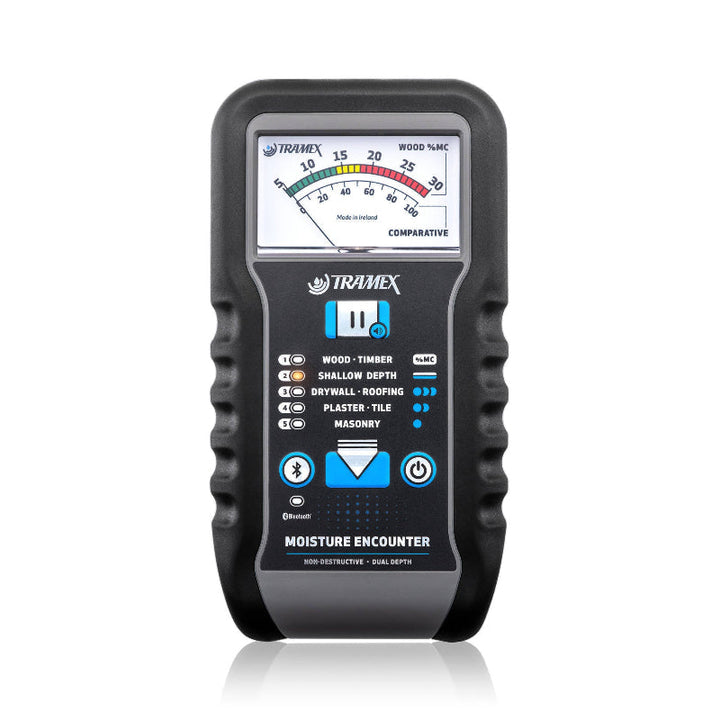
Drying is not set and forget. As surfaces dry, move air movers to the areas that are still wet, guided by moisture readings. Reassessing placement each day shortens the overall job. Build your drying setup from our air movers and dehumidifiers.